
Track Tension Trouble: Undercarriage Noise & the Tensioner
Track Tension Trouble: Undercarriage Noise & the Tensioner
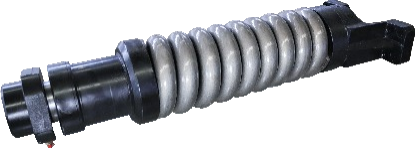
Abnormal track noise is often treated as a sign that the whole undercarriage group is finished. For 5–80 t excavators and bulldozers, that is an expensive first conclusion. The tensioning device, also called the track adjuster assembly or track tensioner, is a smaller component that controls track tension and absorbs walking impact. When its seal cannot retain grease, when the assembly is mismatched, or when track tension is set incorrectly, the result can be vibration, abnormal noise and faster wear at the track rollers, idler and sprocket. Shandong Fivecreation Construction Machinery Co., Ltd. (FCM) is a China-based manufacturer of crawler undercarriage parts, including tensioning device assemblies for 5–80 t machinery.
What Abnormal Undercarriage Noise Usually Points To
The noise is a symptom, not a part number. It makes sense to separate three conditions: a loose track, an over-tightened track, and a tensioner that no longer holds its setting. A tensioning device keeps the track in proper tension and alleviates the impact force from the road during walking; it also reduces vibration of the machine body. If the track is too loose, vibration appears during walking and severe slack can let the track derail. If the track is too tight, friction between the track pin and bushing, and between the idler and sprocket, increases and their wear accelerates. That is why a tension fault can sound like a roller fault and can also shorten roller life.
The same symptom can have a component-level cause. The supplied troubleshooting guidance identifies abnormal track roller noise and short service life with insufficient quenching depth, unqualified raw material, lack of grease lubrication and improper track tension adjustment. The practical order is to check tension and lubrication first, then the tensioner seal and assembly, then the roller condition. Replacing a roller without correcting a tensioner that leaks grease or holds the wrong tension is likely to bring the same complaint back.
Noise does not prove one failed part. It gives a route: tension setting, seal condition, model and assembly fit, material and heat treatment, and finally the wear parts themselves.
Why the Tensioning Device Is the First Inspection Point
The tensioning device is the control point for the track loop, while the rollers, idler and sprocket are the contact points. If the control point is wrong, every contact point sees the result. A leaking seal can reduce grease retention and change tension; a mismatched assembly can create poor fit and movement; a track adjusted to compensate for a weak tensioner can overload the pin, bushing, idler and sprocket. Checking this smaller assembly before a full undercarriage replacement can separate a localized repair from a full-group decision.
This is especially relevant in continuous work. In mining, the product operates in 24-hour continuous heavy-load cyclic operation and bears the whole machine load, with crawler excavators as supporting equipment. Quarry work adds stone impact. Road, municipal and farm applications add mud, dust and wide temperature demands. Under those conditions, a seal or tension problem has more time and more load cycles to damage the rest of the group.
How to Check Tensioner Seal Condition and Assembly Choice
A useful inspection follows a fixed order. The goal is not to prove that the tensioner is at fault; it is to decide whether the tensioner, the track setting or a wear part is the most likely cause before money is committed to a full undercarriage group.
1. Confirm tension symptoms before buying parts
Start with the track itself. Confirm the machine model and use the tension specification in the machine manual; the correct value is model-specific. Observe whether the track is visibly slack, whether it vibrates during travel, and whether the complaint follows forward, reverse or steering. A tensioning device that keeps proper tension should limit the slack-related vibration described in the product data; an over-tight track increases friction at the pin, bushing, idler and sprocket. Record the current setting before changing anything so the result can be compared after adjustment.
2. Inspect the seal and grease retention
Inspect the tensioner seal and grease area. The supplied tensioning device specification describes a high-pressure resistant seal structure for grease leakage prevention, and the application requirements include anti-seepage lubrication seals. In practice, look for grease escaping around the tensioner, a grease fitting that will not hold pressure, or a cylinder area that cannot maintain tension after adjustment. A seal that has lost its ability to retain grease should be treated as a tensioner assembly issue; over-tightening the track to compensate can increase wear on the pin, bushing, idler and sprocket. If the seal is intact, check that the correct grease type and filling procedure are used for the machine manual.
3. Verify assembly, model match and mounting fit
Confirm that the assembly matches the machine. The tensioning device is listed for model designations used by CAT, Komatsu, Hitachi, Sany, SDLG and Shantui. Listed designations include D11T, D10N, D9R, D8T, D475A, D375A, D355A/D275A, D155A, D65A, PC200, PC650, PC1250, PC2000, E390, E374, E349, SY215, SY375, SY980, EX1200, EX200, XE215, XE335C, XE1250 and XE2000. Check the machine plate and the original part number, not only the series name. A tensioner that fits the series but not the exact configuration can produce poor alignment or movement, which can be heard as noise and can affect track tracking.
4. Review material, hardness and heat-treatment records
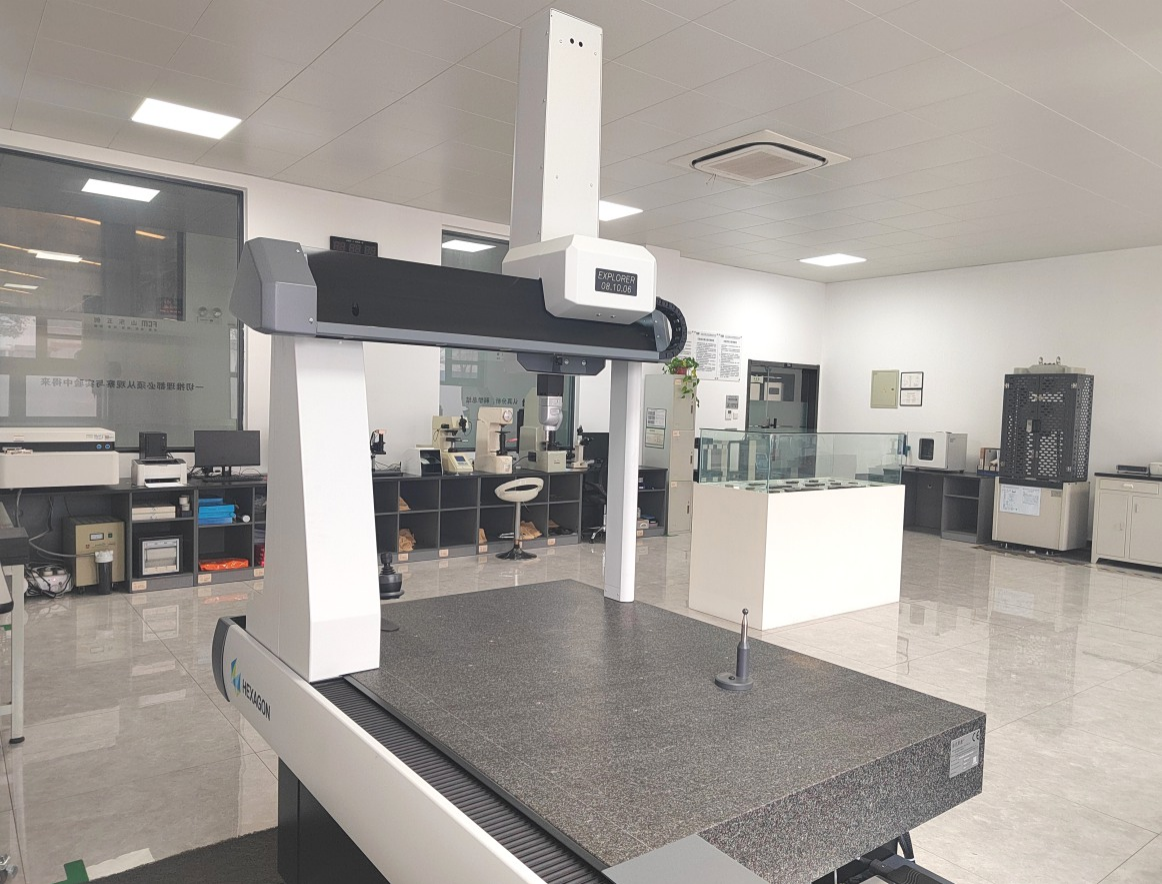
Ask for material and process evidence. The tensioning device uses 40Mn2 / 50Mn for key structural parts, a wear-surface hardness of HRC48–56, and a quenching depth of 4–8 mm; the working temperature range is -30°C to 60°C, and the load range is 5–80 t. For incoming inspection, the supplied quality-control description covers 100% raw-material composition test, full hardness inspection after heat treatment, and random load impact test. The troubleshooting guidance also recommends checking a product hardness test report. These checks do not prove field life by themselves, but they establish whether the supplied part matches the specification being purchased.
5. Compare standard and mining-grade heavy-duty assemblies
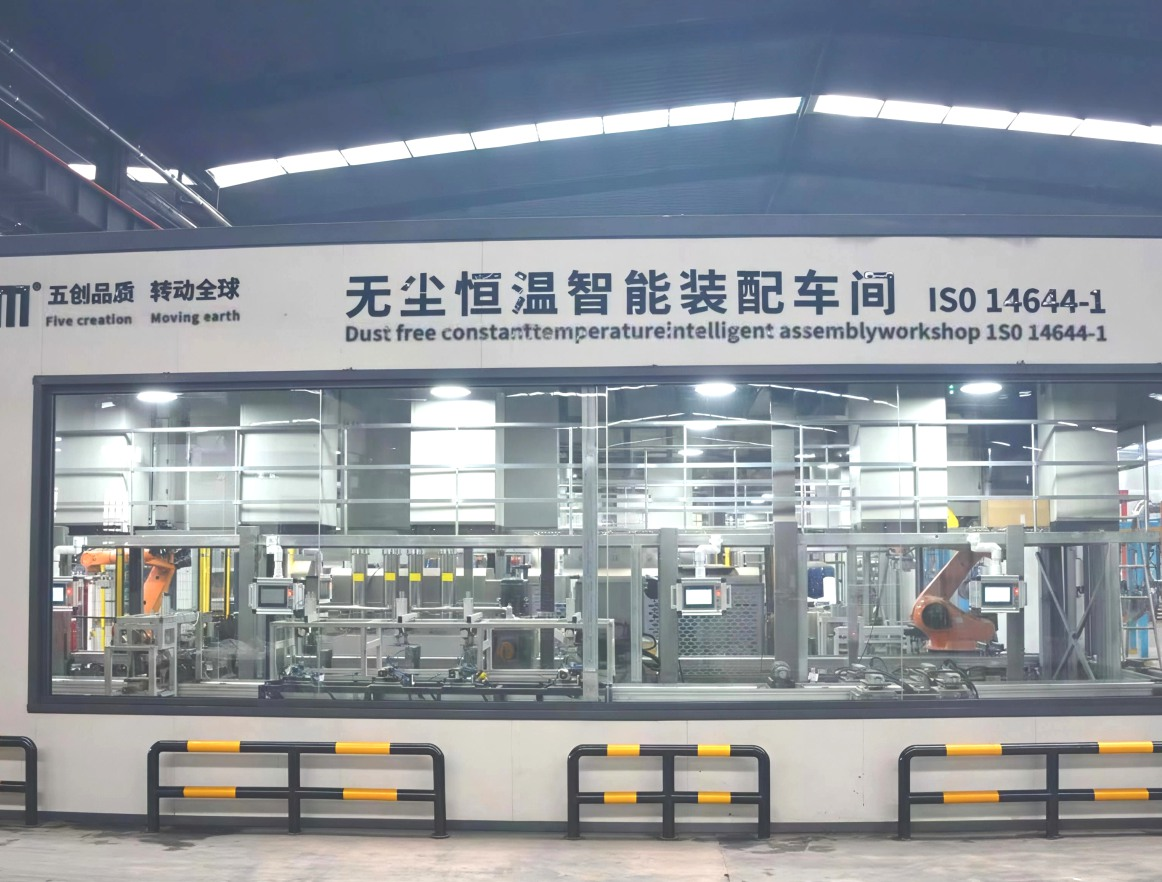
The choice between a standard tensioner assembly and a mining-grade heavy-duty tensioner assembly should follow the work cycle, not the price alone. Both options are listed for 5–80 t machinery and the same model designations. The heavy-duty option is described with integral forging of key structural parts for strong impact resistance; the standard option is listed as a standard tensioner assembly, without the same forging description in the supplied data. Shared listed parameters include 40Mn2 / 50Mn material, HRC48–56 wear surfaces and 4–8 mm quenching depth. The practical distinction is therefore the duty cycle: continuous heavy load and stone impact push the decision toward the heavy-duty assembly, while lighter or intermittent work may be served by the standard assembly after confirming the exact model and inspection documents.
| Property | Standard tensioner assembly | Mining-grade heavy-duty tensioner assembly | Buyer check |
|---|---|---|---|
| Key structural material | 40Mn2 / 50Mn | 40Mn2 / 50Mn | Confirm material certificate |
| Wear-surface hardness | HRC48–56 | HRC48–56 | Request hardness report |
| Quenching depth | 4–8 mm | 4–8 mm | Confirm process record |
| Key structural forming | Not specified in supplied data | Integral forging of key structural parts for strong impact resistance | Match to impact level |
| Seal structure | High-pressure resistant seal structure for grease leakage prevention | High-pressure resistant seal structure for grease leakage prevention | Inspect for grease leakage at model level |
| Load range | 5–80 t machinery | 5–80 t machinery | Confirm machine model |
| Working temperature | -30°C to 60°C | -30°C to 60°C | Compare site conditions |
| Warranty | 12 months under normal working condition | 12 months under normal working condition | Confirm terms in the order |
Use Cases: Where Tensioner-Related Noise Appears
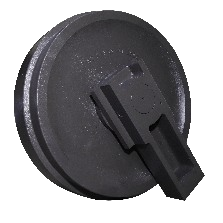
The tensioner check is not limited to mining. The same part is used across crawler excavators, bulldozers, crawler cranes and pavers, and the approved application data describes several conditions that stress tension control in different ways.
Open-pit mining
Open-pit mining is the clearest heavy-duty case: outdoor open-pit mine conditions, 24-hour continuous heavy-load cyclic operation, frequent forward and reverse walking, and the whole machine load passing through the undercarriage. The tensioning device must keep proper tension and alleviate impact while the rest of the group is under continuous load. A heavy-duty assembly with integral forged key structural parts is the more logical starting point when the work cycle matches that description. The documented APAC mining case used 5,600 sets of full forged heavy-duty undercarriages matching CAT 6060 large mining excavators and D11T bulldozers over a 22-month full-load operation; that example supports the duty class, not a claim that every tensioner will achieve the same service interval.
Quarry and stone-impact work
Mountain stone quarry projects and stone-impact environments add shock loading to the track system. In that setting, abnormal noise can follow an impact event or a loose track. The relevant checks are the tensioner seal, the mounting and the track tension, because the same impact that disturbs the track can also damage a seal or move an incorrectly fitted assembly. The heavy-duty tensioner option is specified with integral forged key structural parts for impact resistance; the standard option should not be assumed to carry the same construction unless the supplied drawing and inspection record confirm it.
Road, municipal and farm land leveling
National road reconstruction, highway construction, municipal earthwork and farm land leveling operate under heavy continuous load but with different ground conditions. Muddy sites and farm land leveling add a specific requirement for anti-seepage lubrication seals. The working temperature range of -30°C to 60°C is relevant for equipment that moves between cold and hot sites. In these applications, a tensioner that leaks grease can lose tension without obvious impact damage, and the first complaint may be noise or a loose track rather than a broken part. Checking the seal before replacing the group avoids treating a lubrication problem as a structural failure.
Before Replacing the Full Undercarriage Group: A Practical Checklist
- Confirm the model plate and exact part number against the listed model designations; do not rely on the series name only.
- Measure and record track tension using the machine manual procedure.
- Inspect the tensioner for grease leakage and check whether it holds tension after adjustment.
- Check mounting faces and fastener condition; a loose or misaligned assembly can produce noise.
- Obtain material, hardness and quenching records: 40Mn2 / 50Mn, HRC48–56 and 4–8 mm.
- Confirm the seal specification for the site: high-pressure resistant structure and anti-seepage lubrication seal for wet or muddy work.
- Choose standard or mining-grade heavy-duty according to duty cycle, impact and continuous load.
- Confirm commercial terms: 2-unit MOQ, 30-day lead time, 12-month warranty under normal working condition, and 50,000-unit monthly capacity for stock planning.
- If full-group replacement is still required, keep the tensioner inspection result so the new group is set up correctly.
FAQ
How can I tell whether abnormal track noise comes from the tensioning device rather than a worn track roller?
Start with tension and lubrication, then check the tensioner seal and assembly. A tensioning device that cannot hold grease or tension can cause vibration and abnormal noise, and an over-tight or too-loose track can accelerate wear at the rollers, idler and sprocket. A worn roller is still possible: the supplied troubleshooting guidance lists insufficient quenching depth, unqualified raw material, lack of grease lubrication and improper track tension adjustment as causes of short roller life and abnormal noise. The order should be: confirm track tension to the machine manual, inspect the tensioner for grease leakage and correct fit, check roller hardness and wear, then decide whether the roller or the tensioner needs replacement.
What should I check on a tensioner seal and assembly before buying parts?
Check three things: whether grease is leaking past the seal, whether the assembly holds tension after adjustment, and whether the part matches the exact machine model and configuration. The supplied tensioning device uses a high-pressure resistant seal structure for grease leakage prevention. Ask for the model designation, mounting dimensions and inspection record. A part that matches the series name but not the machine plate can create alignment or movement problems that sound like a failed roller.
Standard vs mining-grade heavy-duty tensioner: which one fits a 5–80 ton machine?
Both standard and mining-grade heavy-duty tensioner assemblies are listed for 5–80 t machinery. The shared listed data includes 40Mn2 / 50Mn key structural material, HRC48–56 wear surfaces, 4–8 mm quenching depth and a -30°C to 60°C working range. The mining-grade heavy-duty assembly is described with integral forging of key structural parts for strong impact resistance. Use the heavy-duty option when the work cycle includes continuous heavy load and stone impact; use the standard option only after confirming the exact model, seal condition and inspection documents for the actual application. Neither option should be selected by tonnage alone.
Which machine brands and models do these tensioner assemblies match?
The listed compatibility covers CAT, Komatsu, Hitachi, Sany, SDLG and Shantui model designations. Listed designations include D11T, D10N, D9R, D8T, D475A, D375A, D355A/D275A, D155A, D65A, PC200, PC650, PC1250, PC2000, E390, E374, E349, SY215, SY375, SY980, EX1200, EX200, XE215, XE335C, XE1250 and XE2000. Verify the machine plate and original part number before ordering; the model list is a compatibility starting point, not a substitute for configuration checks.
For an excavator fleet replacement project, how should I select undercarriage parts manufacturers?
Use a manufacturer that can match the fleet model designations, document material and heat treatment, and support the required volume. For the tensioner, ask for 40Mn2 / 50Mn material records, HRC48–56 hardness, 4–8 mm quenching depth, seal structure and a 12-month warranty under normal working condition. Check production and delivery terms: the supplied capability data lists ODM and customized drawing processing, 2-unit MOQ, 30-day lead time and 50,000-unit monthly capacity. A practical next step is to request a sample or quotation for the exact tensioner assembly and model, then compare the inspection documents with the fleet duty cycle before releasing a full-group order.
Conclusion
Abnormal undercarriage noise deserves a structured check, not an immediate full-group replacement. The tensioning device is the control point: its seal must retain grease, its assembly must match the machine, and its tension setting must suit the track. When those conditions are wrong, the track rollers, idler and sprocket can wear faster and produce the noise that started the complaint. For 5–80 t excavators and bulldozers, the supplied tensioner range covers CAT, Komatsu, Hitachi, Sany, SDLG and Shantui designations with 40Mn2 / 50Mn key structural parts, HRC48–56 wear surfaces, 4–8 mm quenching depth and a high-pressure resistant seal structure. Standard and mining-grade heavy-duty assemblies serve different duty cycles. Check the tensioner first; replace the full group only when the evidence supports it.
For model matching, inspection records or a quotation on a tensioner assembly, contact FCM or download the company brochure for the full undercarriage parts range.
Have Questions or Need More Details?
Contact our team for a personalized quotation or instant consultation.
Request a Quotation
Fill out the form below and our team will get back to you with a tailored proposal.
WhatsApp Direct Chat
Prefer to chat in real-time? Message us on WhatsApp for instant assistance & quick answers.
- Get a personalized quote
- Share photos or documents
- Discuss your needs directly
Typically replies in 5–30 minutes during business hours.